Northern Uganda: Light in Refugee Settlements
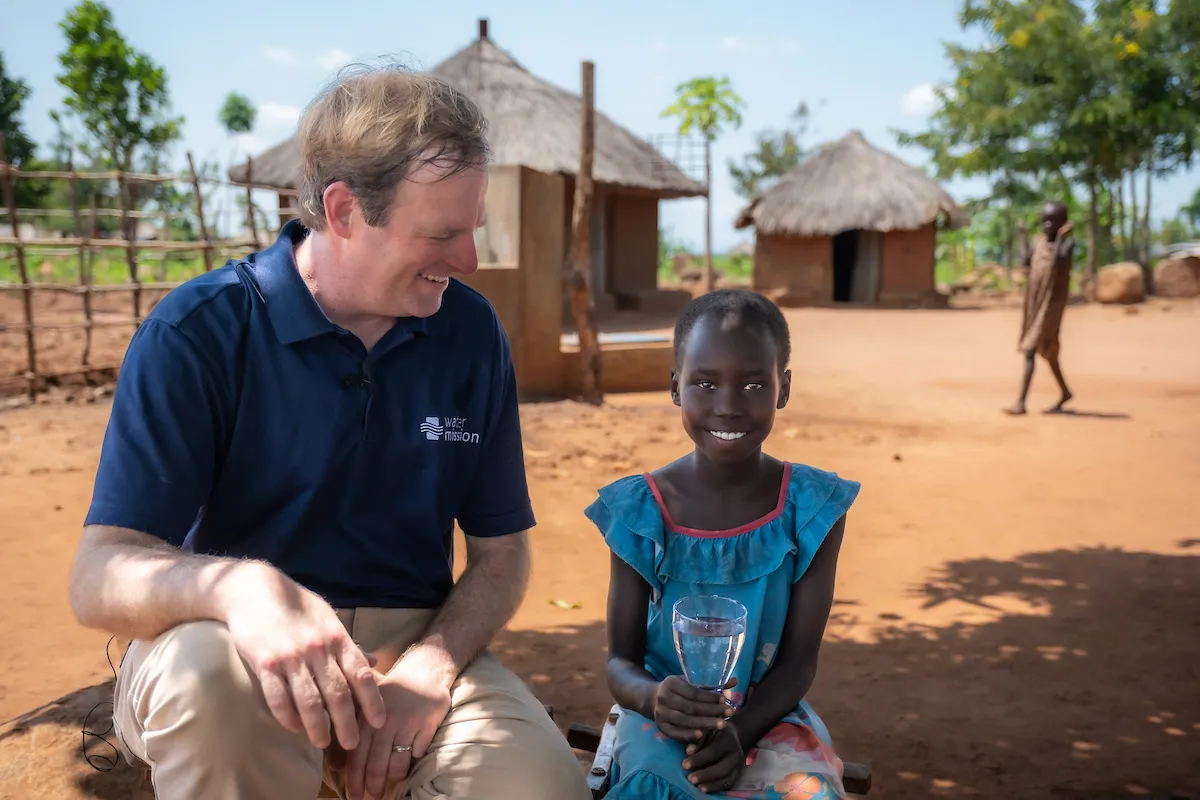
The first in a special, two-part message from
Water Mission CEO and President George C. Greene IV, PE.
As we begin a new year, I want to share a reflection from my recent visit to Uganda—often called the Pearl of Africa, a name given by Winston Churchill in 1907. It is a land of stunning natural beauty, but also of deep need. Across its lush hills and valleys, millions still struggle to access safe, clean water. The need is striking—and it is precisely why we are called to serve.
In this two-part letter, I’ll share stories from refugee settlements in northern Uganda and, in my next note, from communities in the southeastern part of the country. In every setting, the foundational need is the same, and so is our vision: that all people would have access to safe water and an opportunity to experience God’s love.
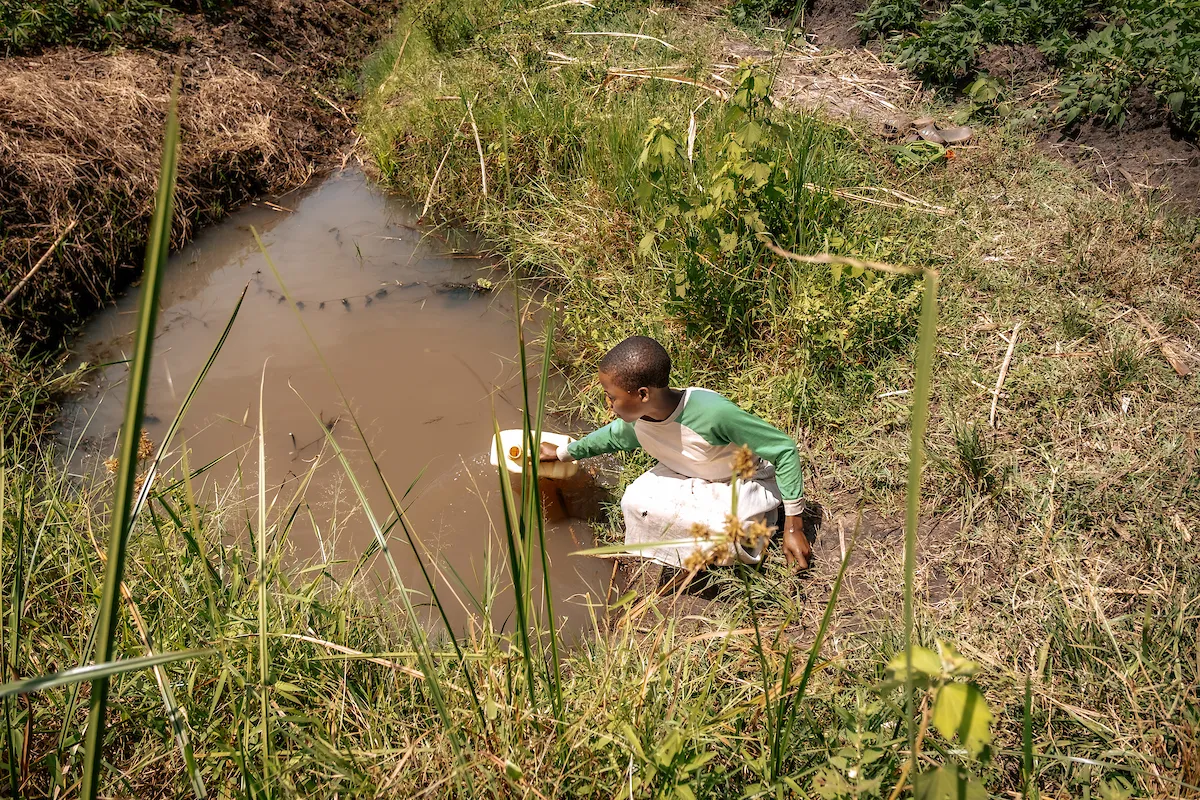
81% of the population in Uganda lacks access to safe, clean water.
Last May, I traveled to Uganda with my father—Water Mission’s co-founder, Dr. George Greene III—and my youngest son, Thomas. In this letter, I want to share what I witnessed in the north of the country—home to one of the largest refugee settlements in the world. The needs here go far beyond imagination.
The South Sudanese refugee crisis began in 2013, when civil war forced families to flee their homes. By 2016, 80,000 people crossed the border from South Sudan into northern Uganda in a single month. Most were women and children who had walked for weeks seeking relief from war-torn South Sudan.
Refugee Crisis in Uganda
Uganda currently hosts more than 1.8 million refugees who have fled South Sudan and the Democratic Republic of the Congo.


Since the 1950s, the United Nations High Commissioner for Refugees (UNHCR) has coordinated global refugee responses. In 2018, UNHCR asked Water Mission to assume responsibility for more than 80 existing water systems serving half a million people in northern Uganda. These systems had been built quickly under emergency conditions, and they were not designed and constructed up to standards. For years, our team has kept them running—patching leaks and replacing burned-out pumps.
Last year, we launched an effort to rebuild one of these systems from the ground up. We aimed to show what’s possible when water infrastructure is properly engineered and constructed. The site, known as Omugo 5, became our Lighthouse Project—a model for durable and verifiably effective solutions.
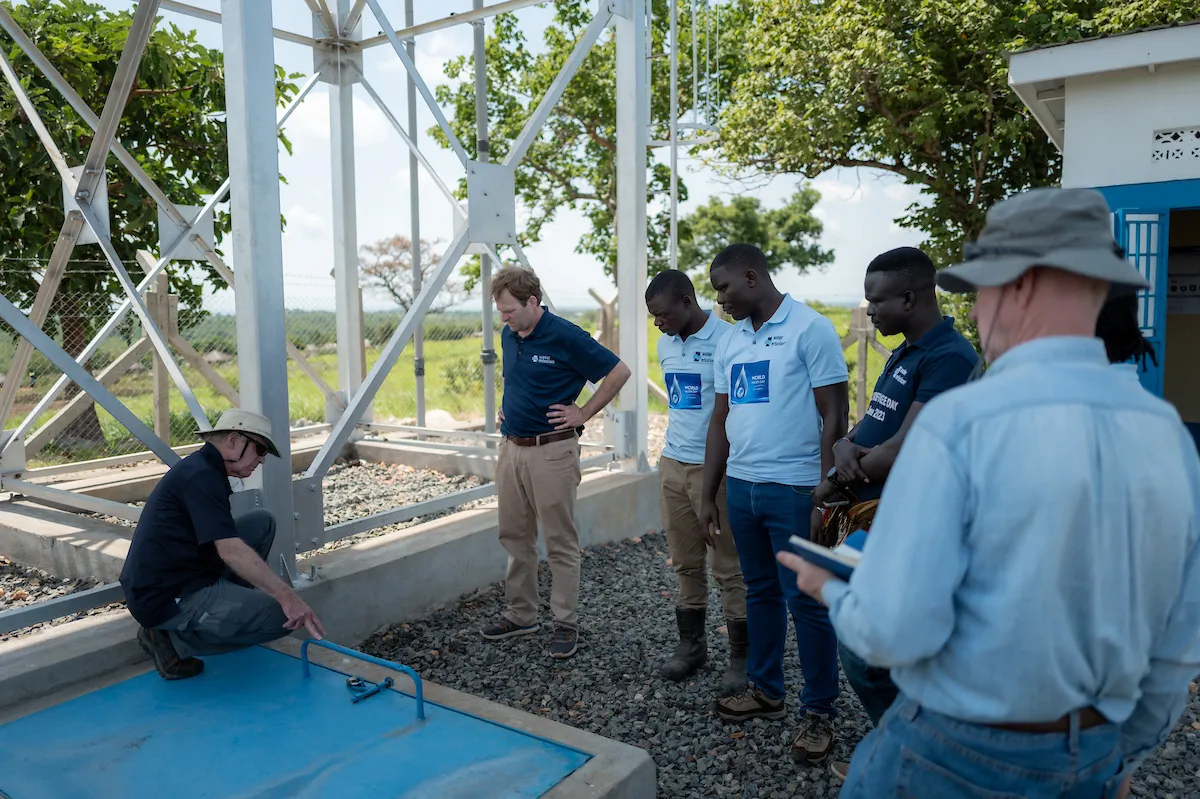
Water Mission co-founder George Greene III, CEO and President George Greene IV, and Uganda staff members inspect the Omugo 5 project.
Before reconstruction, Omugo 5’s water taps trickled for less than an hour a day. Leaks drained most of the supply, and electrical faults kept pumps offline. Desperate families fought over the limited available water.
Over a three-month period starting in July 2024, our engineers and technicians replaced failing components, stabilized the power system, repaired the distribution lines, and added chlorination to ensure safe water. Today, water flows freely—24 hours a day.


This transformation is critical because the broader conditions remain dire. Refugees are allocated small plots of unproductive, rocky land and face cycles of flooding and drought that make farming nearly impossible. Food rations have been reduced year after year as global funding wanes.
Families now face an impossible choice: stay in Uganda and figure out how to grow food in abysmal conditions, or return to war-torn South Sudan and risk their lives.
In that context, safe water is more than a basic need—it’s survival, stability, and dignity.
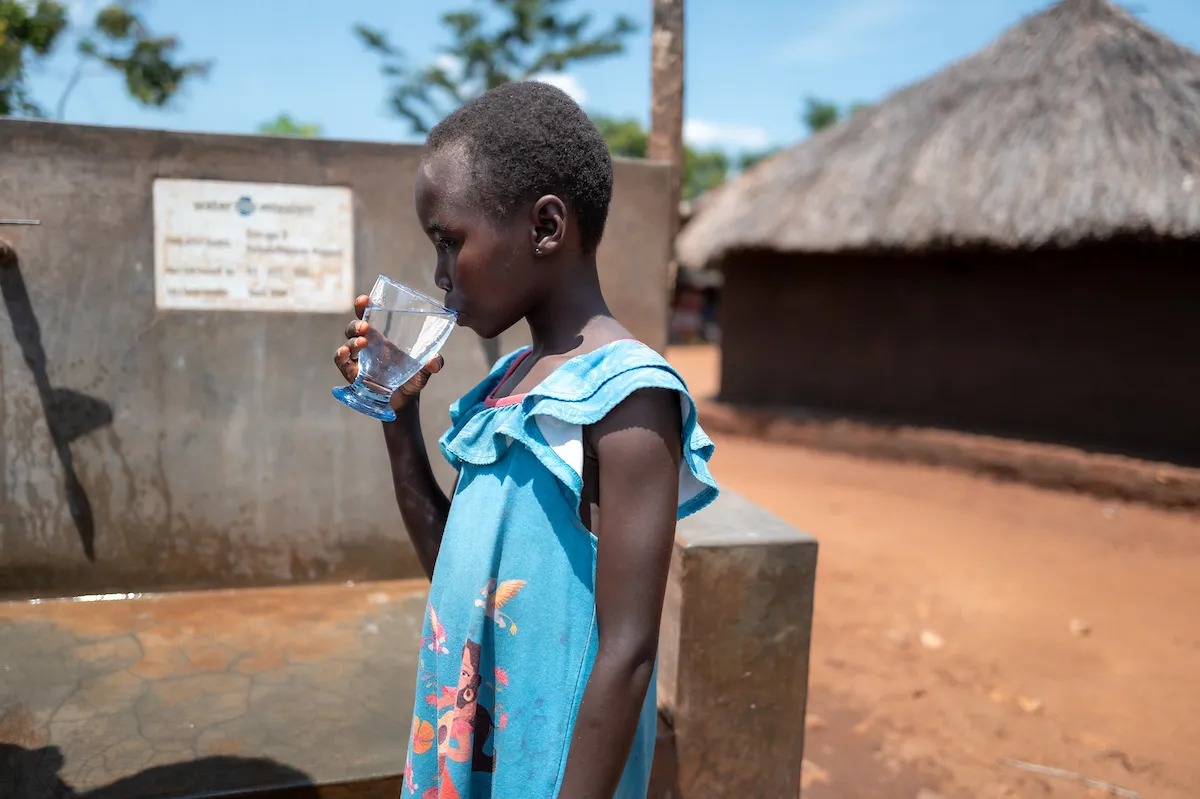
Access to reliable, safe, clean water in Omugo 5 has changed the lives of the refugee women and children who live there.
During my visit to Omugo 5, I met Sarah, a grandmother caring for her two orphaned grandchildren. She has lived in the settlement for eight years. Her son disappeared in the fighting long ago.
As she filled her container at one of the rehabilitated taps, she told us that when she is hungry and without food, she drinks water. For Sarah, that clean water is literally the difference between despair and endurance.

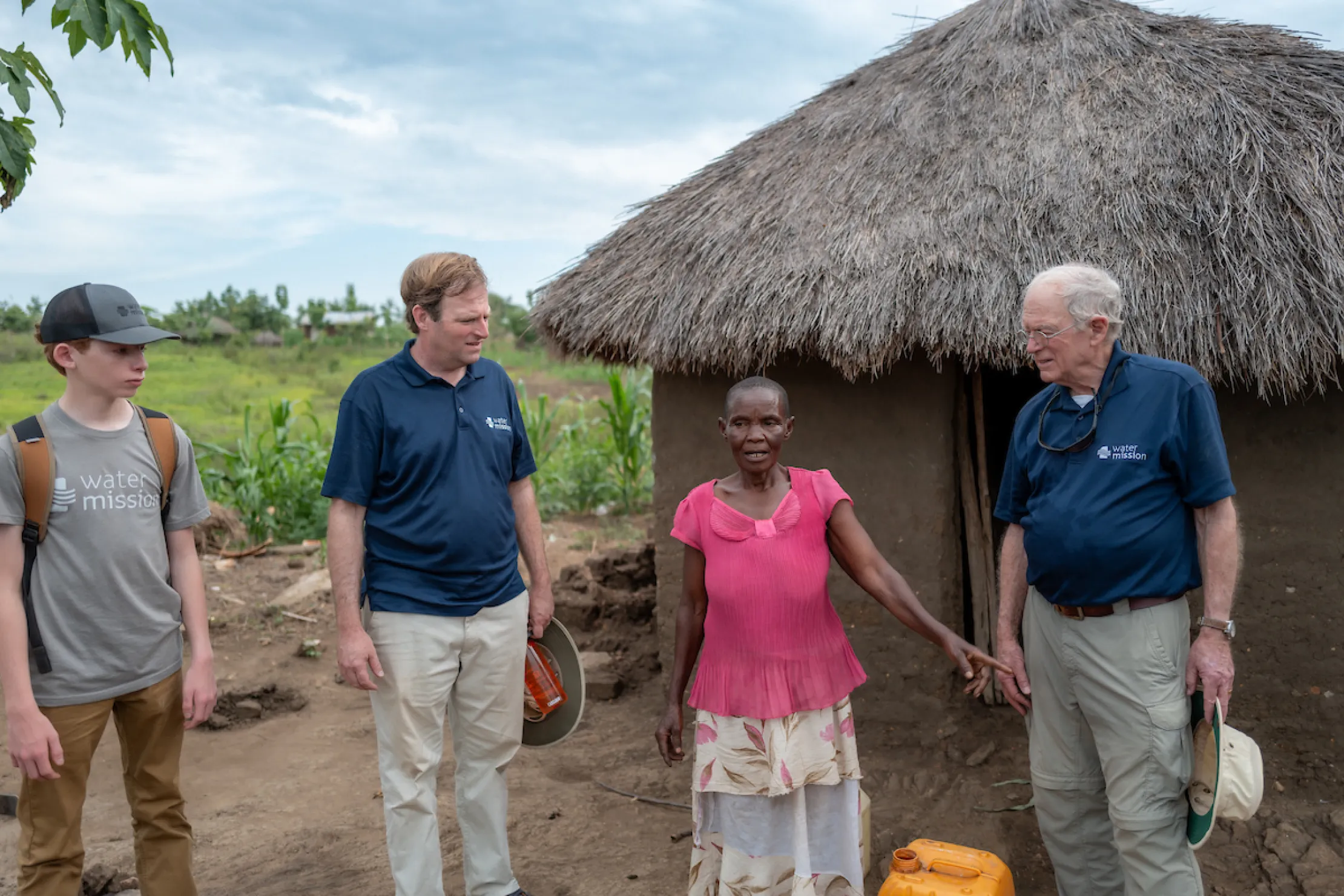
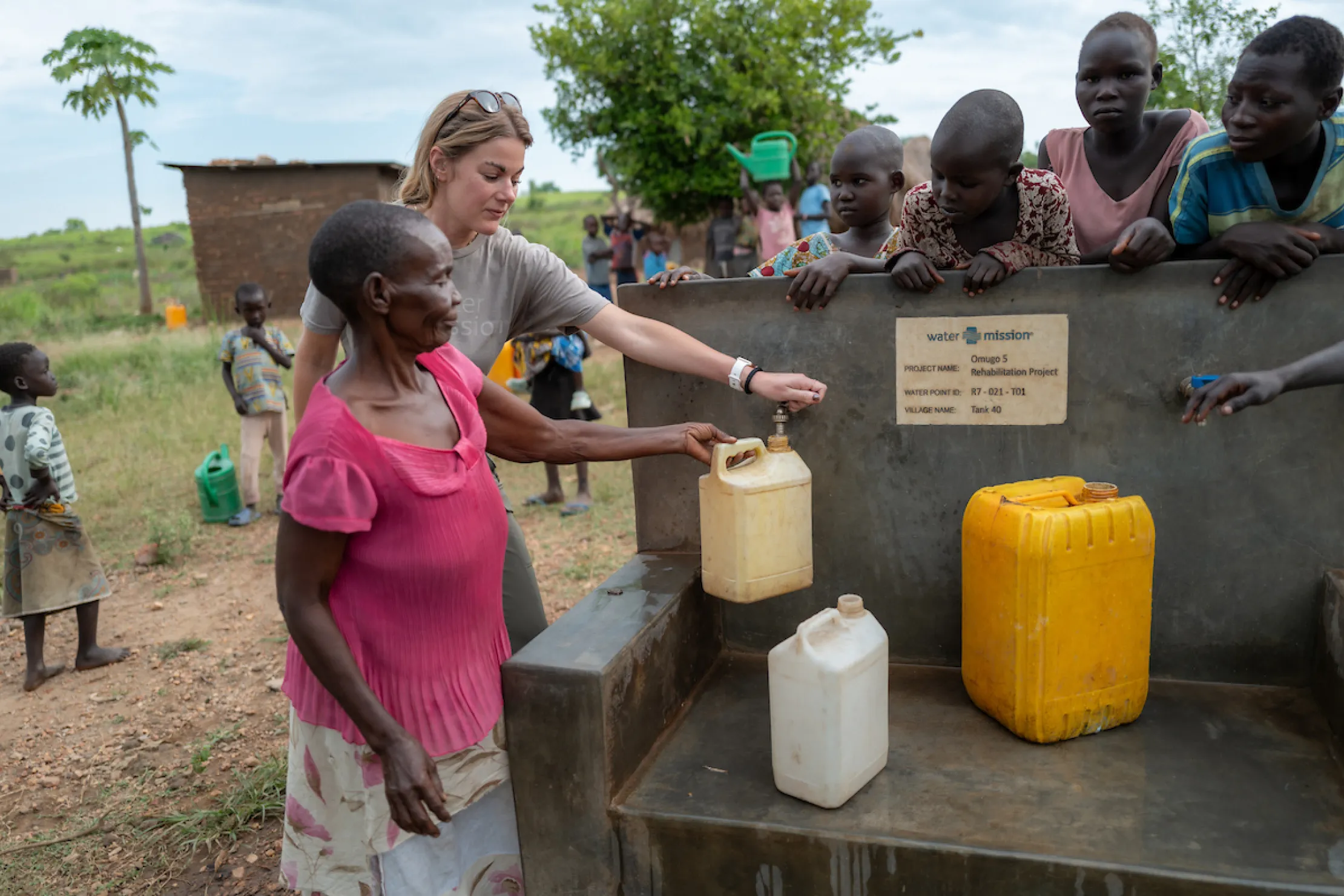
There are countless stories like hers. Yet through your generosity and God’s grace, light is breaking through even in the hardest places. The Omugo 5 Lighthouse Project stands as a testimony to what can happen when engineering excellence meets unwavering compassion—and when friends like you choose to invest in hope.
Thank you for continuing to walk alongside us on this journey. Together, we are proving that safe water and God’s love can reach even the most forgotten corners of the world.
Many Blessings,
George C. Greene IV
CEO and President
Water Mission
Related Impact Stories