Gardening and Growth: One School’s Story of Flourishing
Imagine spending the first two hours of your school day looking for water with your teacher and classmates.
The students at Mzogole Primary School in Tanzania did not have to imagine this. More than 1,000 children missed out on key learning time each morning to walk nearly 2 kilometers round-trip to collect water.
Losing two hours of school every day meant that children fell increasingly behind in their schooling, endangering their futures and stunting the growth of an entire community.
We had a scarcity of water in the school. We were walking almost 1 kilometer to find water.
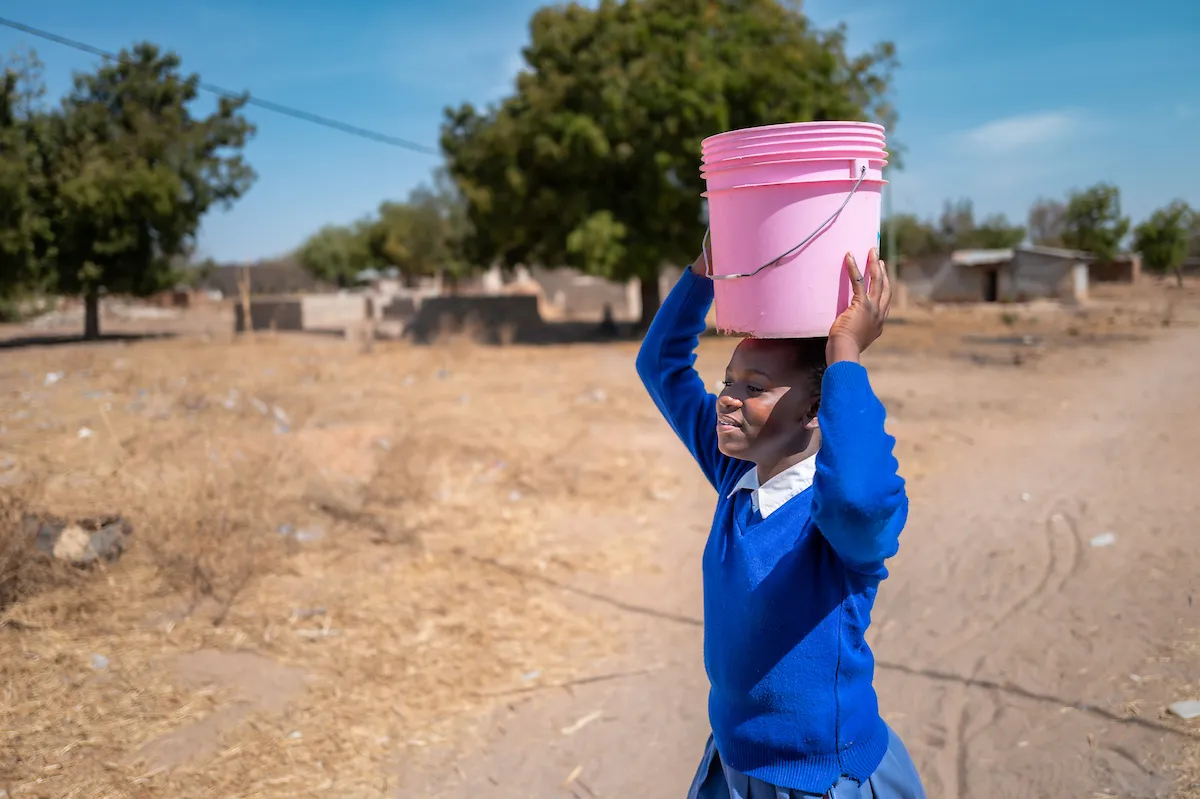
Students and teachers at Mzogole Primary School walked nearly 2 kilometers round-trip to collect water for the school.
Not only were children being deprived of valuable educational time, but the water they consumed was dirty. Women and children in Mzogole collected their water from a dried riverbed, where they had to dig in the sand to reach water. This meant the water was unsafe for drinking, bathing, handwashing, and cooking.
[The] water was dirty. Students were scratching because the kids would wash themselves and have contact with the parasites and get UTIs and [itchy skin].
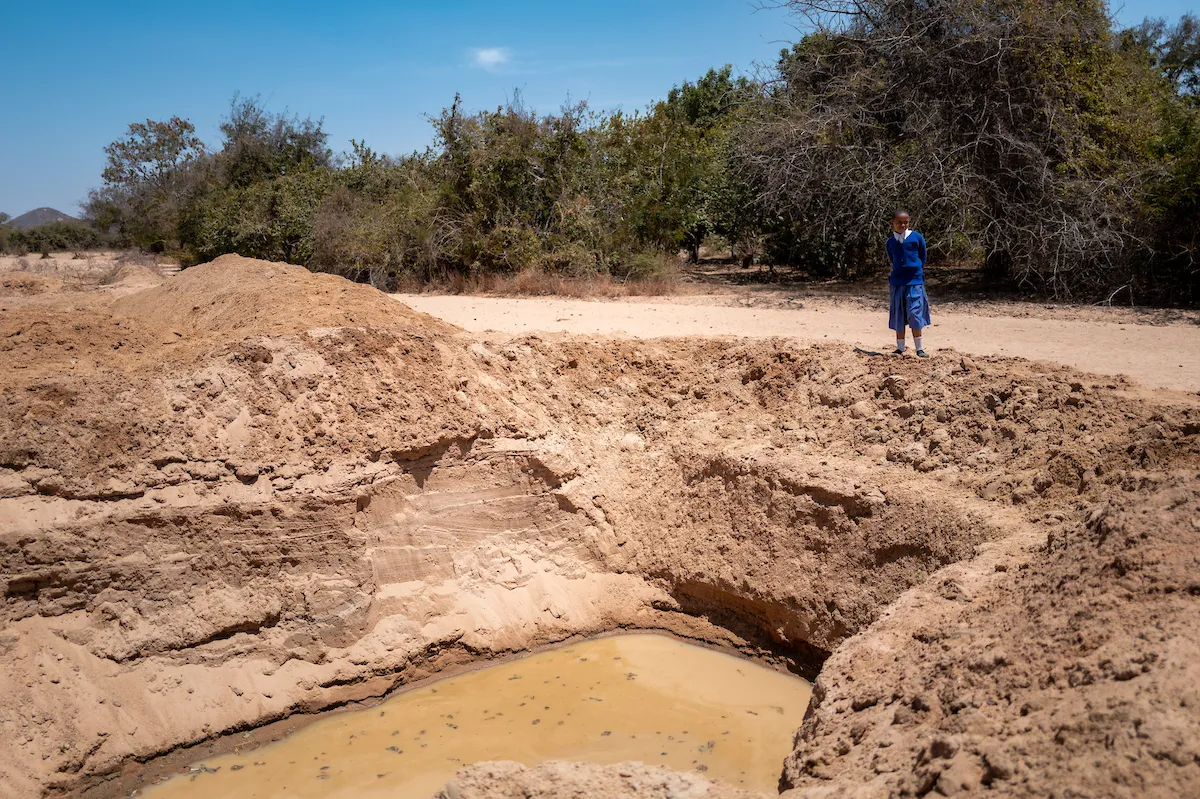
Each day, schoolchildren collected dirty, unsafe water from a dried riverbed, where they had to dig for a long time to reach water.
When Water Mission learned about the urgent need for safe, clean water in this central Tanzanian community, we assessed the need and began partnering with the community to build a safe water project.
The community leaders were engaged throughout the entire process, keeping us informed of the community’s needs and the necessary steps to address them. Using solar power (or grid power on cloudy days), the project sources water from a borehole, treats it via an Erosion Chlorinator, and distributes safe water to tap stands, including one at the school.


Now, all 1,000 students and teachers at Mzogole Primary School have access to safe, clean water on-site. They have regained those hours lost to walking for water, finally having the opportunity to succeed in their classes.
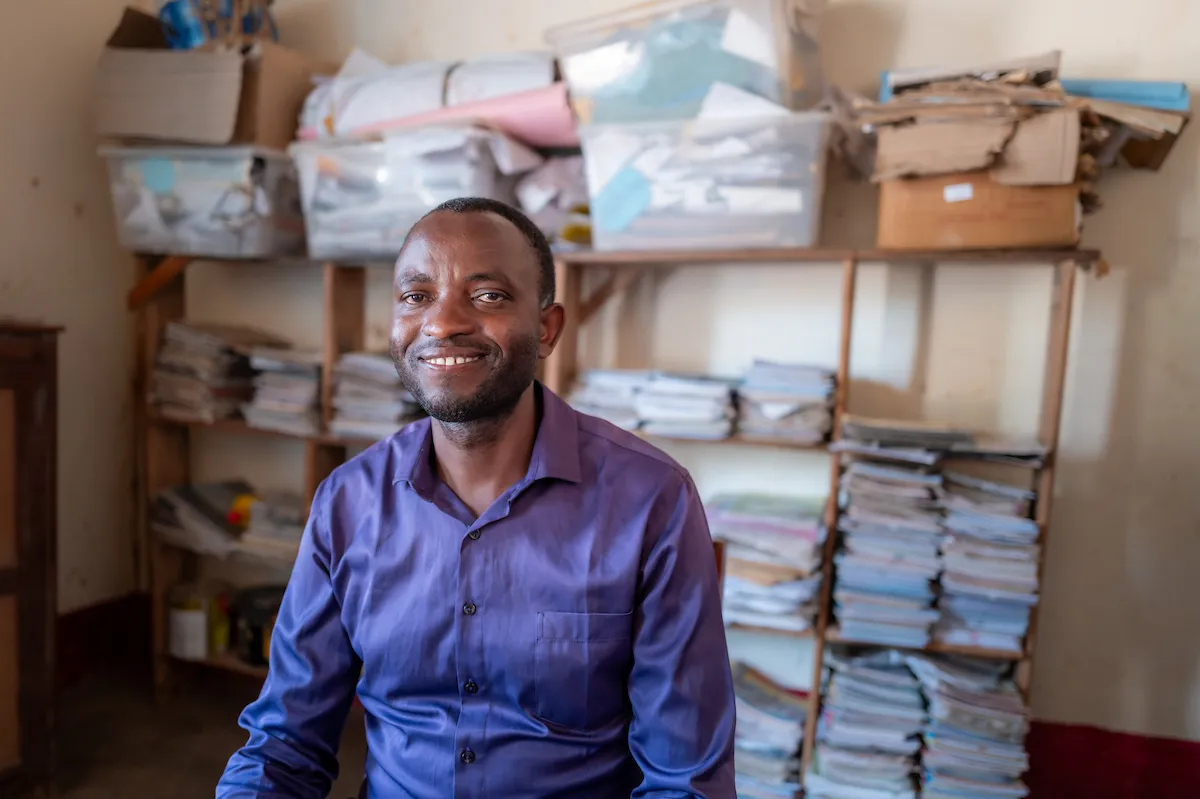
Because the students can concentrate on studies instead of going to get water, they are staying in their classes and studying.
The new water availability also provided Muhasini and other teachers with the opportunity to solve another problem in their community. Due to the previous lack of water and a lack of knowledge around sustainable agricultural methods, residents of Mzogole struggle to have a healthy, balanced diet.
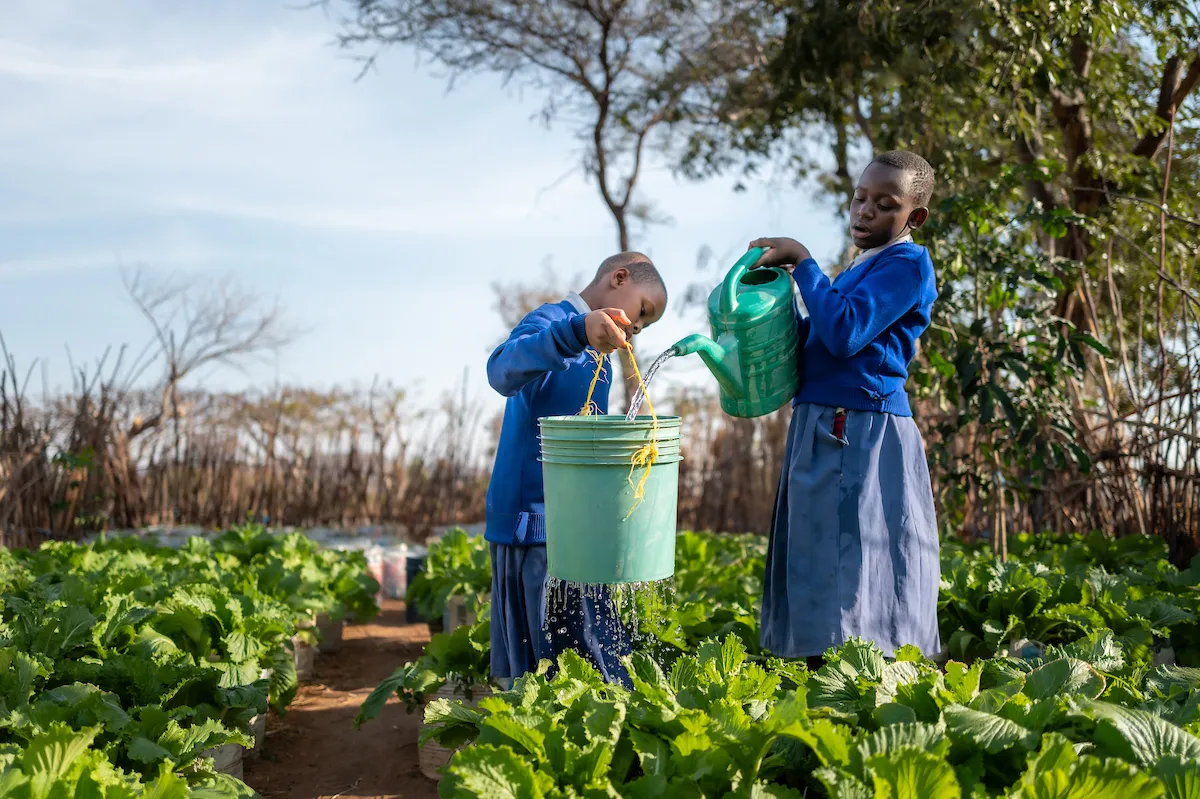
With access to safe water at their school, the teachers decided to teach their students a valuable life skill: gardening.
Mzogole Primary School is now home to a thriving school garden, where children are learning to grow a variety of fruits and vegetables. The students and teachers have planted 30 trees with plans to eventually plant a total of 300.
The challenge was that most of the students didn’t have a balanced diet. Teaching them to grow their own food benefits their health. The students can eat the vegetables, [and some] of them have adopted growing vegetables at home.


Now, children are taking home their newfound skills and knowledge to encourage healthy habits within their own families.
The community of Mzogole is flourishing, thanks to safe water access near homes and schools.
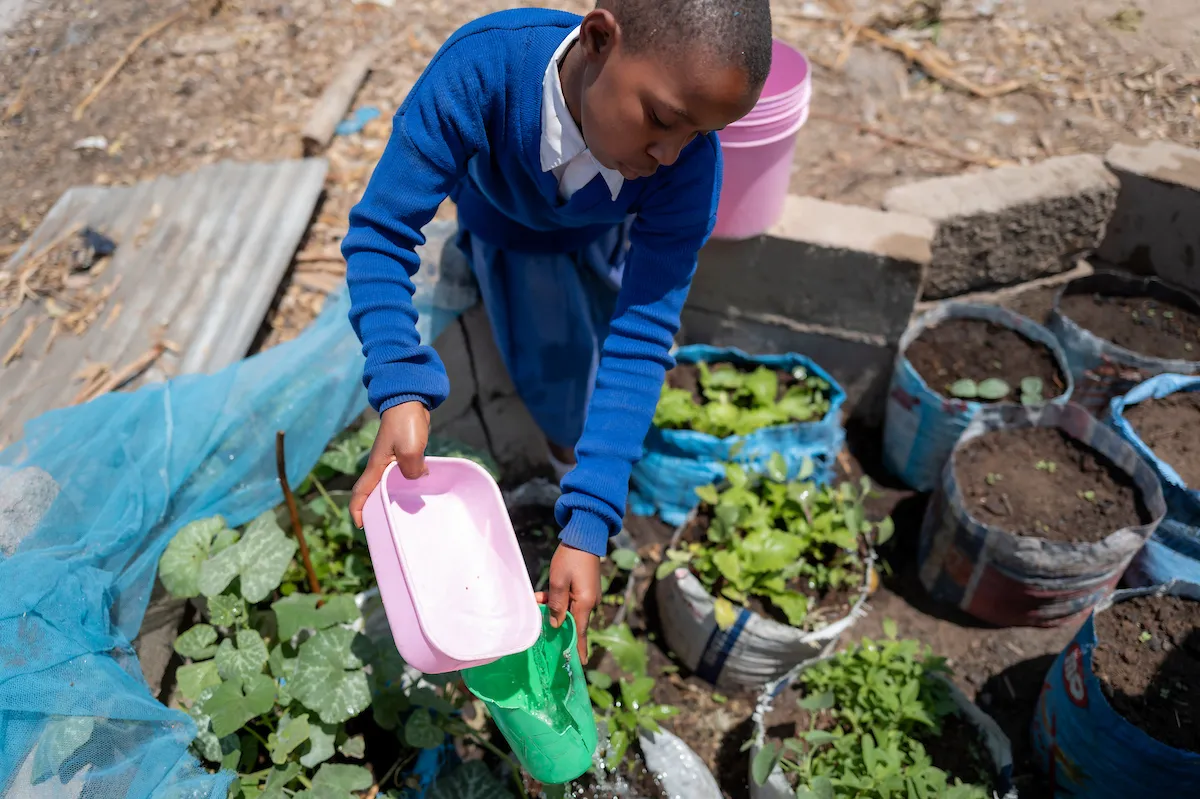
After learning about healthy food at school, 12-year-old Naomi started a garden at home for her family.
On International Day of Education, we acknowledge the many ways in which water builds education.
Each year, students around the world miss 443 million school days due to the global water crisis. But there is hope, and you can help build it. Will you help more children have access to safe water and the opportunity for a successful future?
Related Impact Stories