Crying Out for Safe Water: Elevating Women’s Voices From Around the World
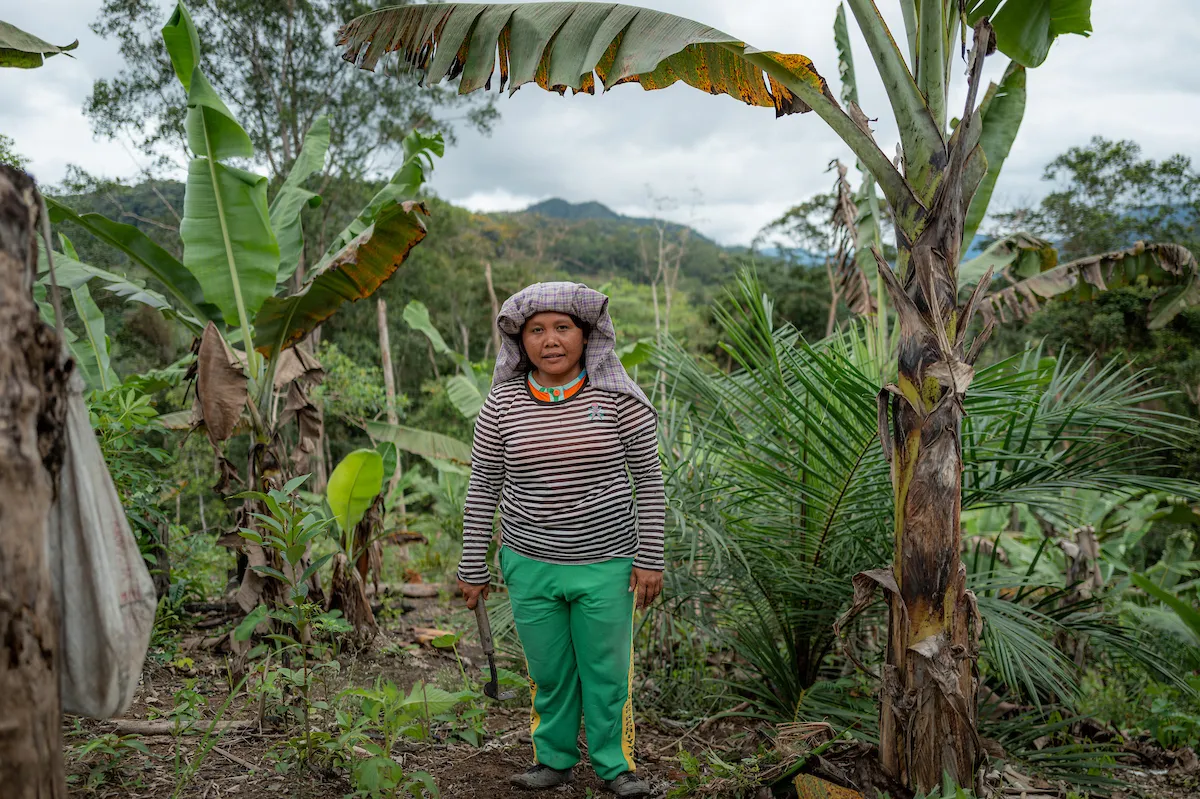
Women around the world have a wealth of stories about the global water crisis. Often, they are the ones crying out the loudest for safe water.
Women of all ages can tell stories about the physical, emotional, and spiritual toll that walking for and consuming unsafe water takes on them and their families:
- Women and girls are the ones who walk for water, sometimes getting injured or attacked along the way.
- Young girls miss out on valuable educational time when they must spend time walking for water instead of attending school.
- Mothers carry the emotional weight of caring for children who are constantly sick from consuming unsafe water.
At Water Mission, we aim to elevate the voices of women impacted by the global water crisis—on International Women’s Day and every day.


Women’s Voices in Latin America
Esther lives in Republica Alemania, Honduras, with her husband and their two teenage grandsons. She used to walk multiple times a day to a neighboring community to collect water from their public tap.
I get a stomachache when I drink tap water. It comes from something dirty. We don't have good water.... It’s dangerous.
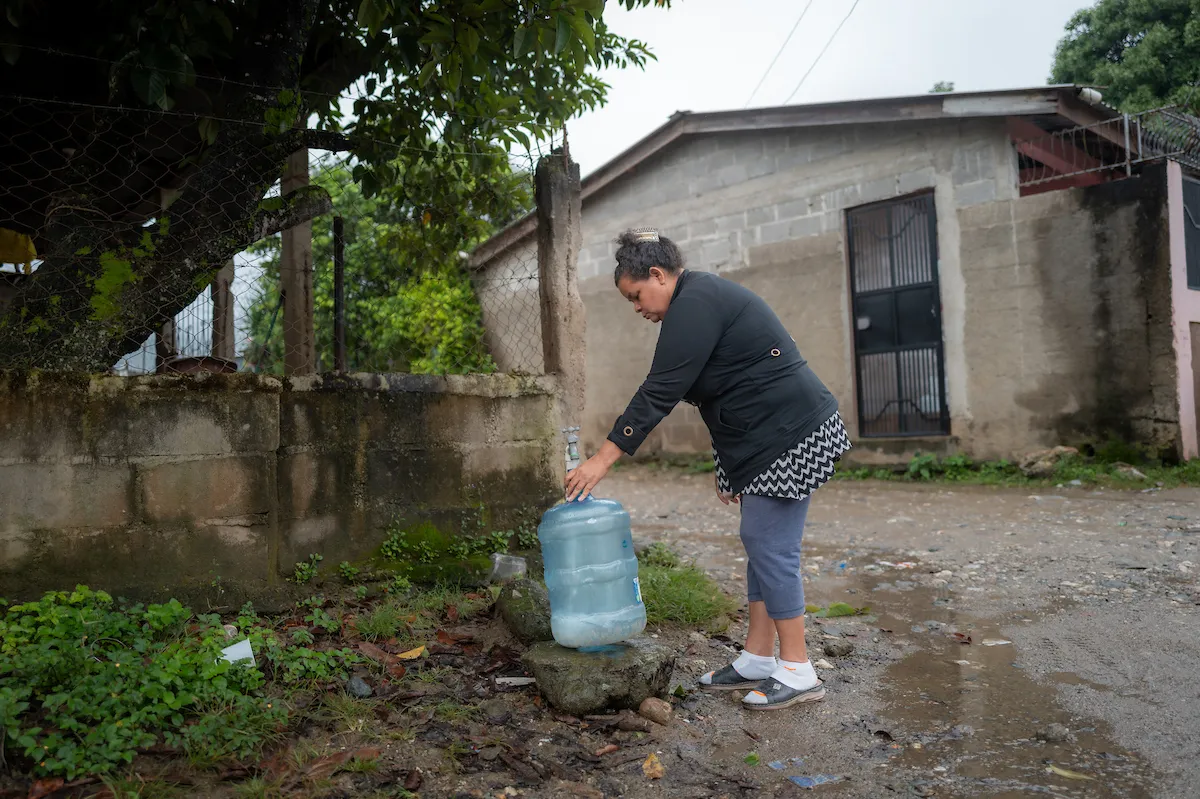
Esther is a quiet woman who is passionate about fighting for safe water access for her family and neighbors.
Esther would buy expensive bottled water or boil her tap water for drinking and cooking. But she still lived in constant fear of her grandsons getting sick from the unsafe tap water, as she has seen many children in the community suffer.
“I have two younger children,” she told us in 2024. “And I'm afraid that they will get more sick [in] the stomach. That's why we need drinkable water.”
Water Mission completed a safe water project in Republica Alemania in August 2025 that delivers safe water directly to homes. Esther serves on her community’s Safe Water Committee, where she and other passionate women work daily to keep safe water flowing.
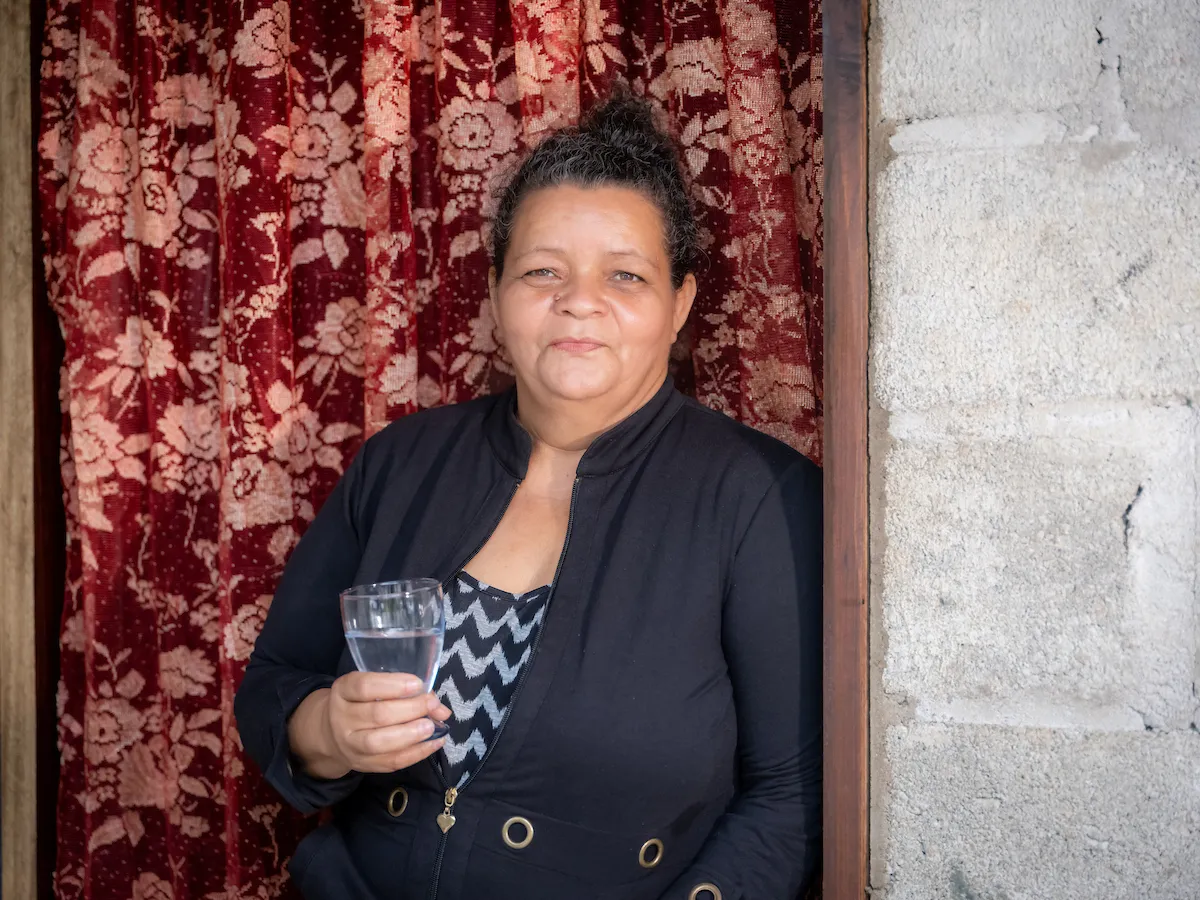
You have to fight in this life to get what you want—and water is very important. We have to keep going and fighting for it.
Women’s Voices in East Africa
In the rural community of Gwandi, Tanzania, 11-year-old Recho loves playing netball and skipping rope with her friends. She recently saw a helicopter, so she now dreams of becoming a pilot when she grows up.
Recho walks twice a day to collect water with her best friend Neema. “I fetch water at the pond,” she said. “It takes 30 minutes to 1 hour, depending on if there is a queue and if I run or use a bicycle.”
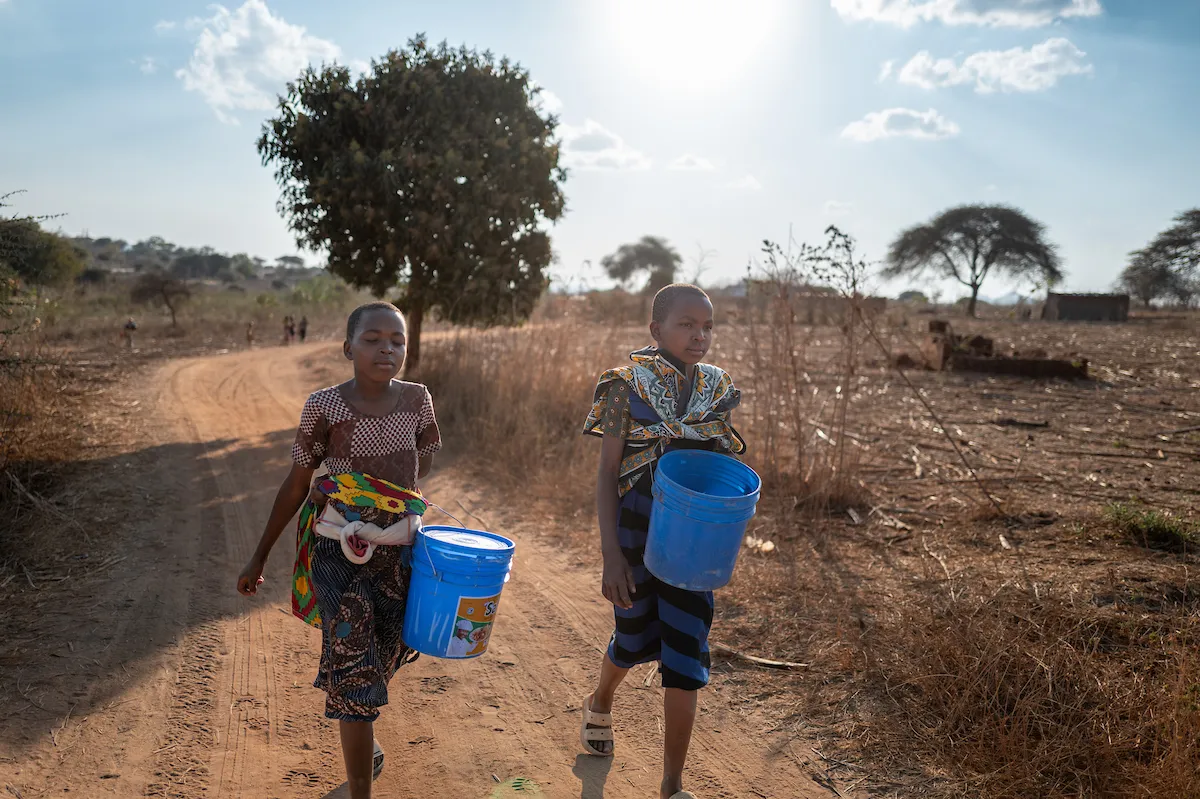
11-year-old Recho (right) and her best friend Neema (left) carry the physical weight of the global water crisis every day.
Not only does the dirty, brown water she collects make her sick, but carrying a 10-liter bucket full of water is heavy and uncomfortable for a small girl.
Sometimes I get headaches from fetching the water, and sometimes leg pain, from carrying [the water] back.


In the spring of 2026, Water Mission will complete a safe water project in Gwandi, helping ensure that girls like Recho no longer have to walk far for their water.
I will be happy having water close to the house. I think the water will be clean so I don’t get sick.
Women’s Voices in Asia
Lae Hundulan, Indonesia, is a remote farming community located at the top of a steep mountain. Women like Rewida, a mother of three, work alongside their husbands tending their farms for subsistence and profit. But farming was difficult when their closest water source sat at the bottom of a steep, slippery hill.
Going to the spring to collect water would make me late for work in my fields, which means the monkeys would eat my plants.
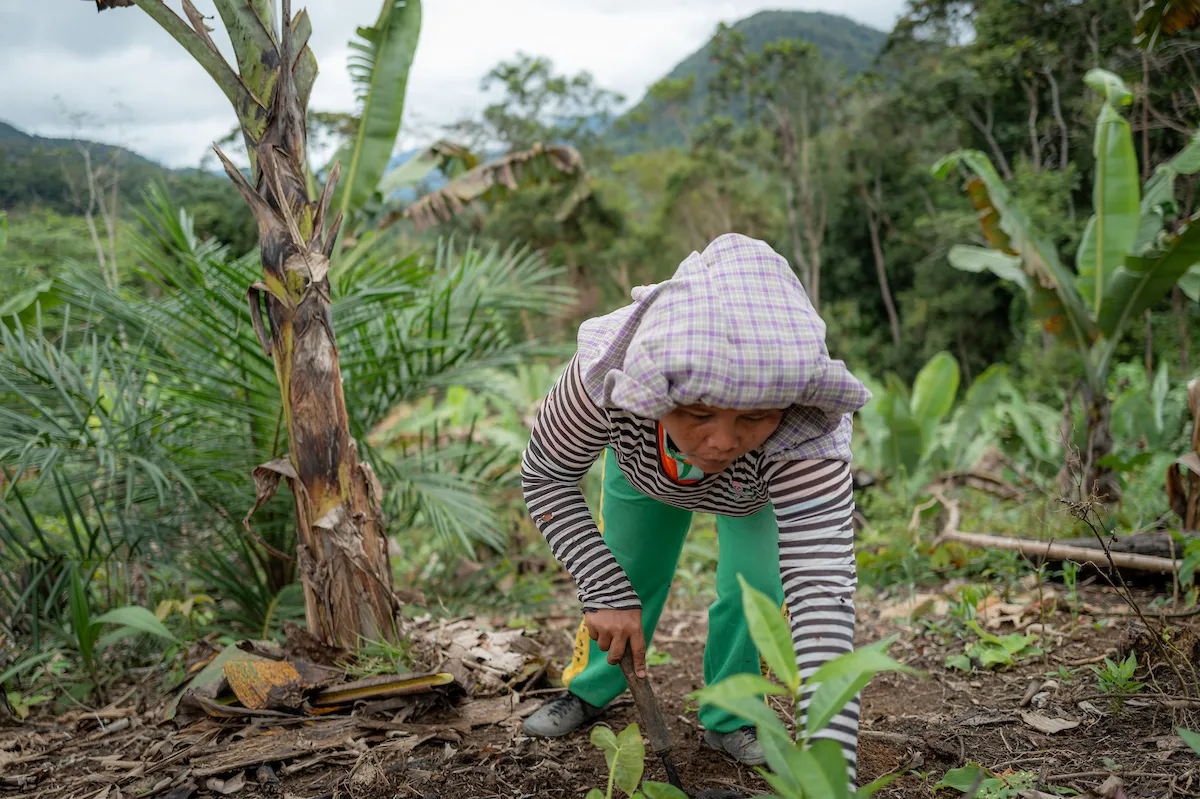
For Rewida in Indonesia, lacking safe water meant struggling to provide for her family.
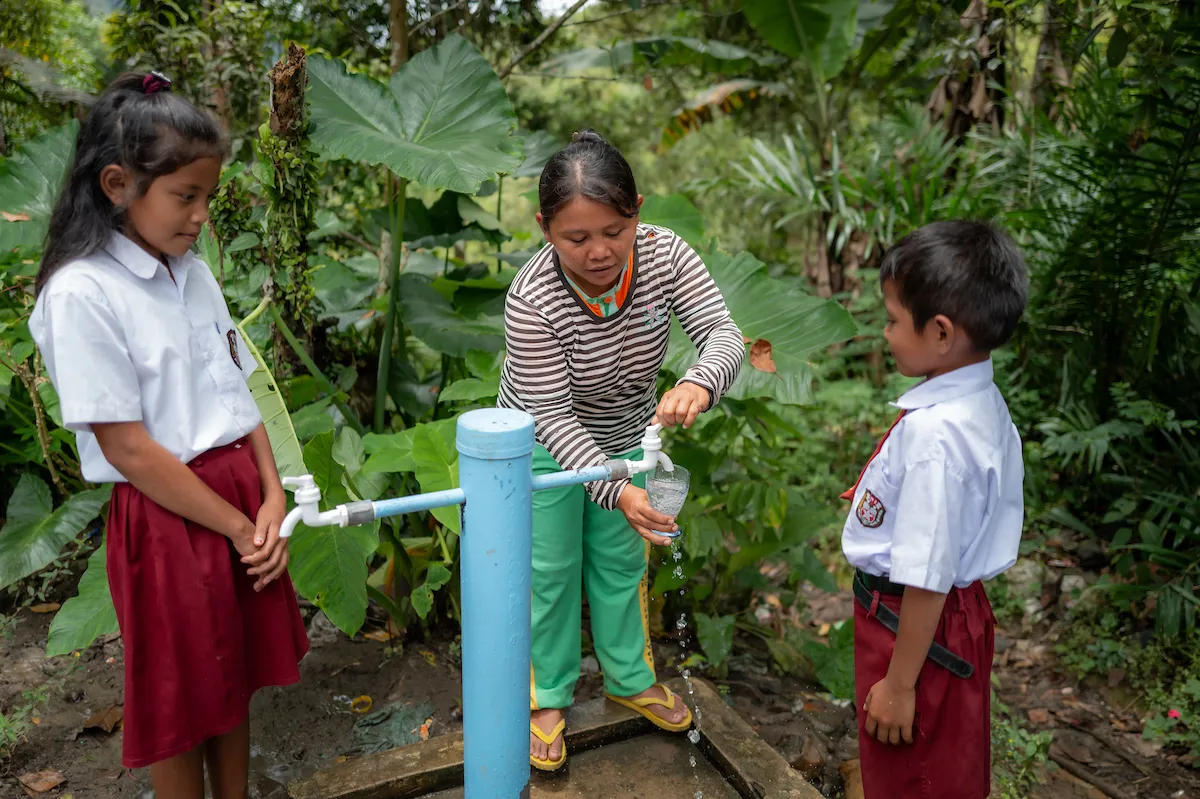
In 2018, Water Mission built a solar-powered safe water project in Rewida’s town. Having access to safe water near her farm and home changed Rewida’s life, allowing her to tend to her farm and better provide for her family.
“Now the water is not far from my home,” Rewida said. “This means my husband and I are not late to the field because it is not far to get our [family’s] water. After having the third baby, I could drink the water directly, and we never got sick.”
Women’s Voices in Disaster Areas
When Hurricane Melissa struck Jamaica in October 2025, families were left without power, electricity, and, in many cases, their homes.
Cauchona lives in Petersville, a town in the hills of southwestern Jamaica. She has two children — 3-year-old Jocelyn and 1-year-old Jozaine. After the hurricane, our team met her at a church, where her family was currently living with 13 other adults and numerous children.
This is because the storm completely leveled Cauchona’s home.
“It was traumatizing to say the least.” Cauchona said. “A lot of rain, a lot of wind.... When I came back out in the second half [of the storm] and everything was done and over with, the house was completely gone flat.”
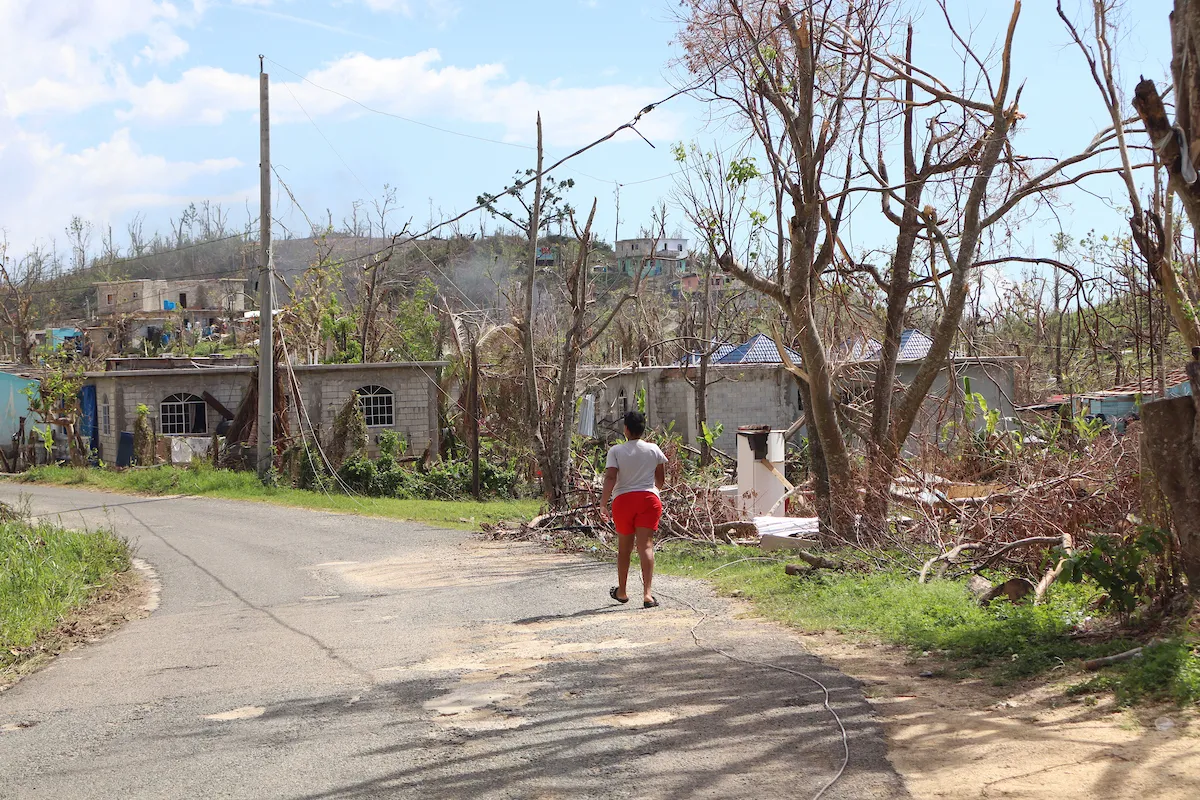
Cauchona knows that safe water is necessary for her and her children to maintain health and proper hygiene after losing their home.
After a disaster, having access to safe water is critical not only for meeting immediate needs but also for maintaining healthy hygiene practices and preventing water-related illnesses that could further suffering.
In Jamaica, Water Mission’s disaster response team worked to bring safe water to the most impacted areas after the storm, serving more than 58,000 people daily, including more than 24,000 women and 10,500 children.
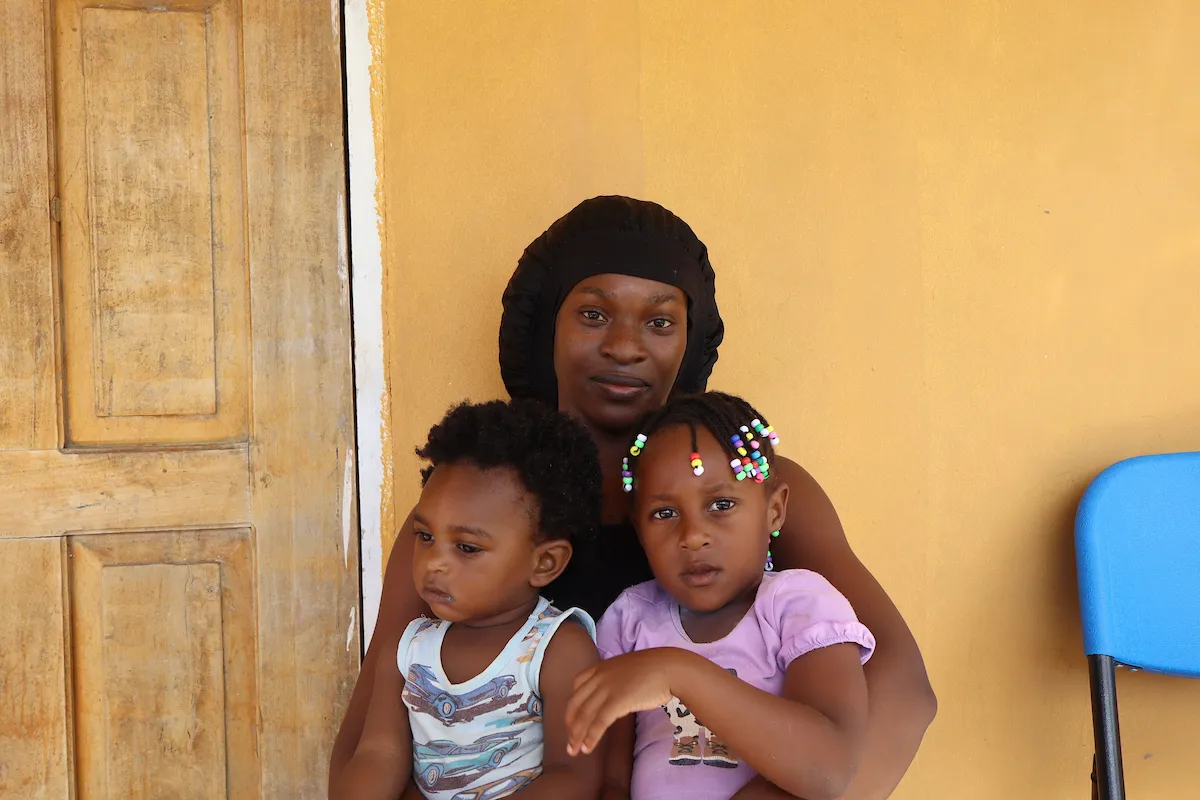
Clean drinking water for [my children]—especially considering the conditions that we’re under now—having clean drinking water is something that we really appreciate.
Thank you for helping us elevate women’s voices around the world by being a part of providing safe, clean water to families in desperate need.
Related Impact Stories