The Weight of Water: Neema Carries a Heavy Burden
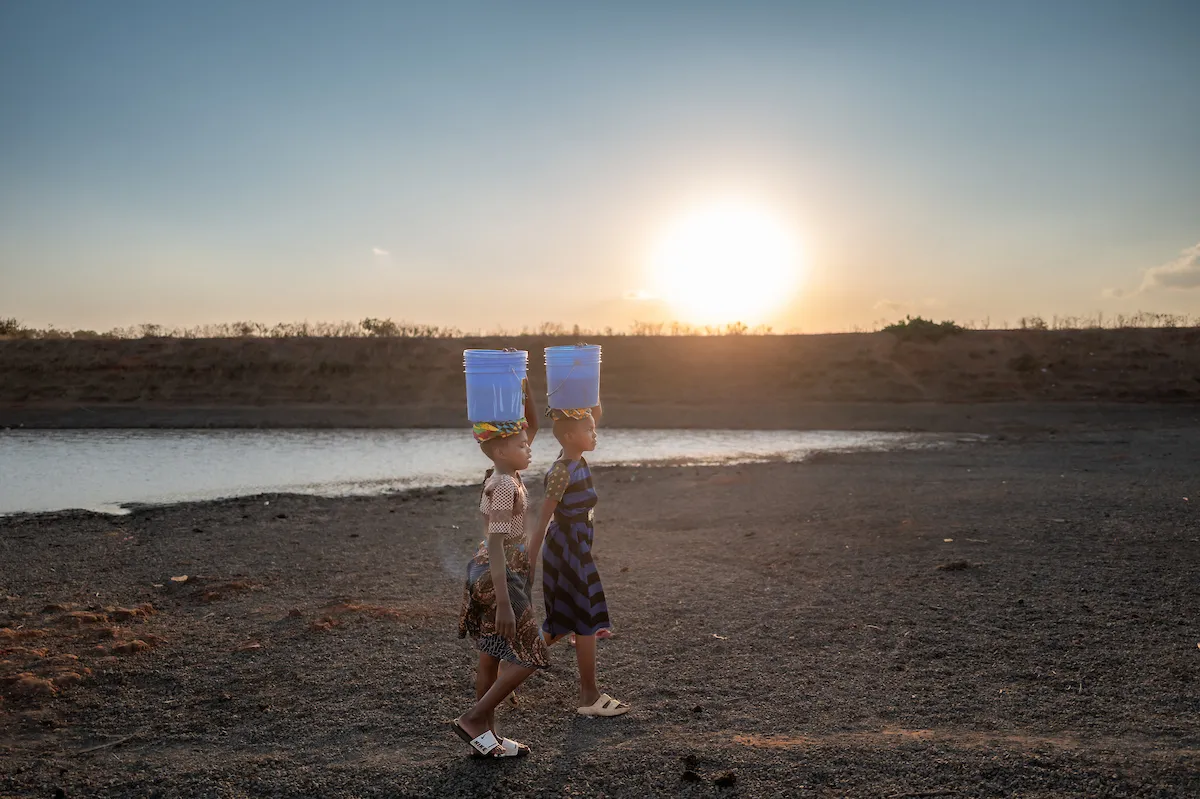
“Are you able to give us safe water?” Young Neema asked our team this question last year, her voice full of cautious hope and expectation.
For an 11-year-old girl who only knows a life of getting sick six or seven times a year, the prospect of safe water is a lifeline.
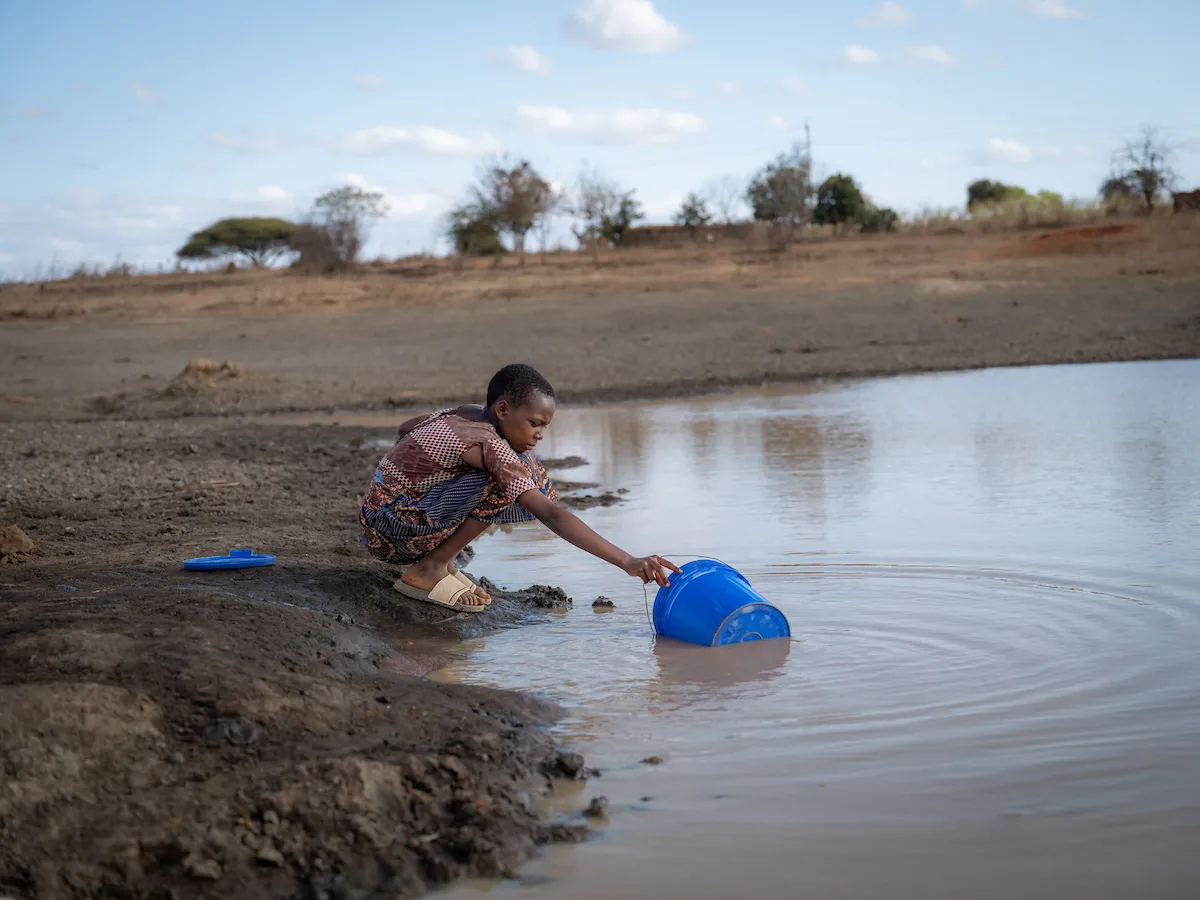
Every day, Neema and other women and girls in Gwandi, Tanzania, walk far to a murky pond to collect water.
Neema lives with her family in Gwandi, Tanzania. Like all young girls around the world, Neema loves being with her friends—they enjoy playing netball and mdako, a game that involves small stones.
But like most girls in rural African communities, much of Neema’s time is not spent doing what she enjoys—it’s spent walking for water.
Twice a day, she walks an hour round-trip to collect water from a rain catchment she calls “the pond.”
I fetch water from the pond, and I think it is dirty from bacteria, but this is the water I use with my family.


Often, Neema walks to the pond with her best friend, Recho. Each girl carries a 10-liter bucket. When full, one bucket can weigh approximately 22 pounds. This is a heavy burden for a little girl.
Neema’s friend Recho shared that the weight of the bucket on her head has a physical impact: “Sometimes I get headaches from fetching the water, and sometimes leg pain from carrying [the water] back.”
Not only do the girls carry the physical weight of water on their heads and backs, but they also bear the burden of knowing that the water is unsafe to drink.
Although Neema knows that sickness is inevitable, she has no choice but to drink, cook with, and clean with the murky, brown pond water. When she gets sick, she misses school, putting her behind in her education.
I know it is not clean because when we use it, we get sick. Even when the teacher cooks using that water at school, the students get sick.


Last year, Water Mission became aware of the urgent need for safe, clean water in Neema’s community of Gwandi. In partnership with local leaders in Gwandi and our generous donors, we began constructing a project that will serve all 5,674 people in the community.
When the project is finished in April 2026, it will utilize solar energy and back-up grid power to pump water, treat and chlorinate it, and distribute it to tap stands throughout the community, including at Neema’s school and the local clinic.
To ensure sustainability, a community-based water supply organization, called a Safe Water Committee, will oversee the day-to-day operations of the safe water system.
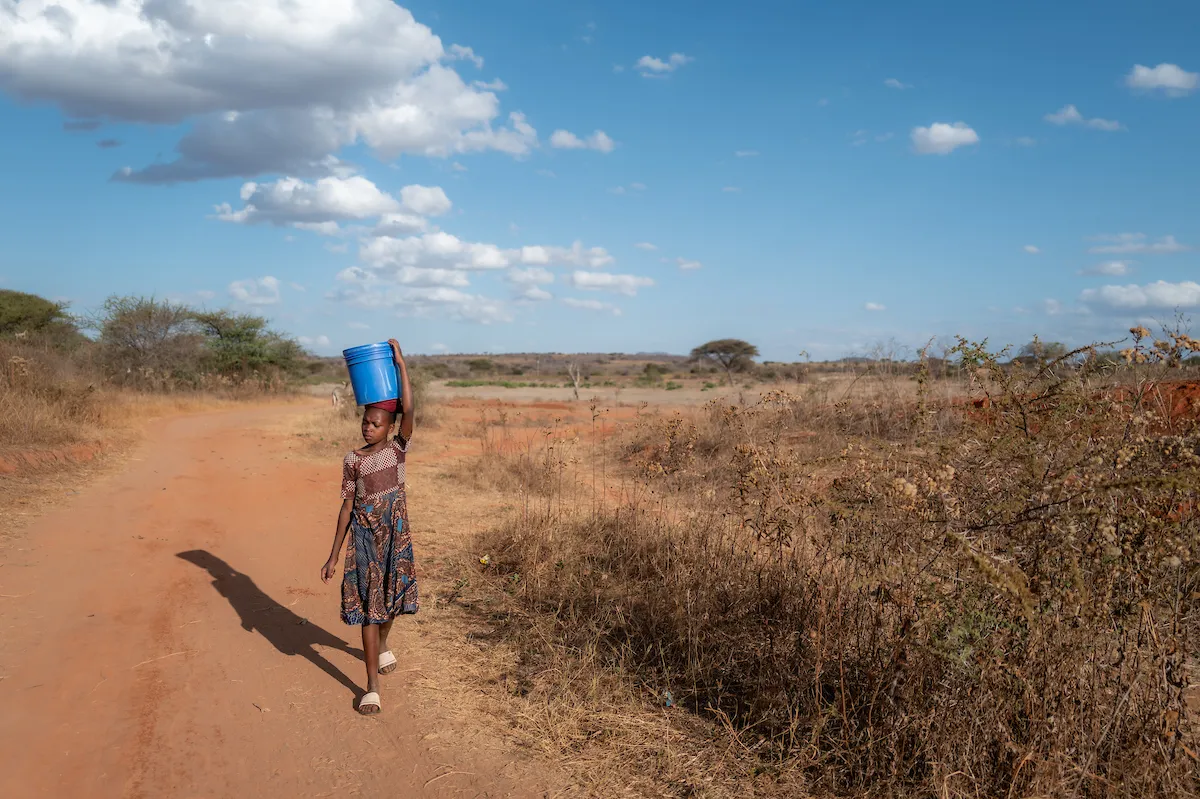
Neema carries the heavy burden of walking for water that often makes her sick. Thanks to friends like you, her burden will soon be lifted.
Are you able to give us safe water?
The answer to Neema’s question is “yes.”
Soon, Neema and her friends and family will experience the life-changing impact of having access to safe, clean water. She will have the opportunity to be healthy year-round, and she will no longer have to walk for water that makes her sick.
Because Neema knows what it’s like to be sick and need medical attention, she dreams of finishing her education and becoming a doctor—a dream made more possible when she can regularly attend school. She says, “I want to take care of the sick people.”
I will bathe with clean water and have enough time to go to school. And I will eat food made with clean water.
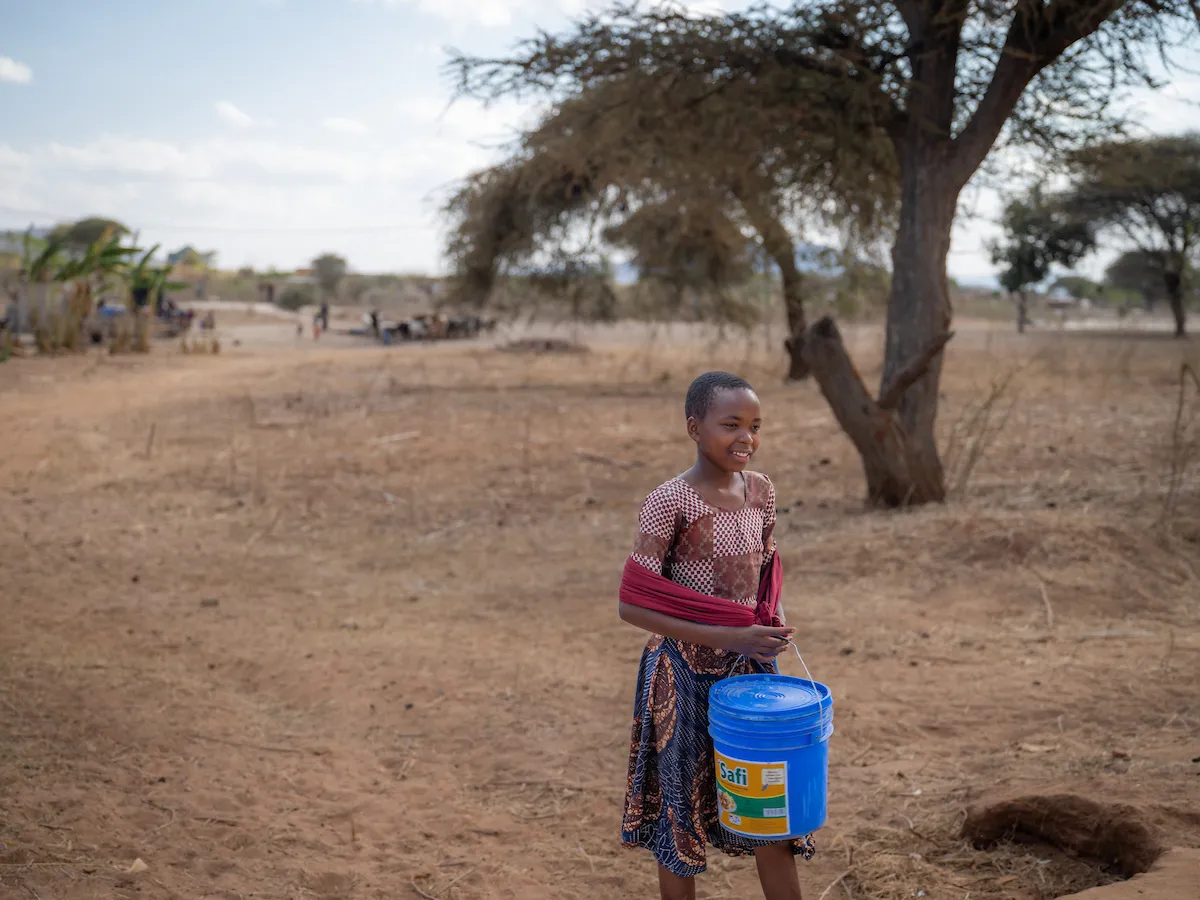
When you join a Walk for Water event, you help ensure that women and girls around the world never have to walk for their water again. For girls like Neema who carry the physical, emotional, and spiritual weight of water, you can lift their burdens.
Related Impact Stories